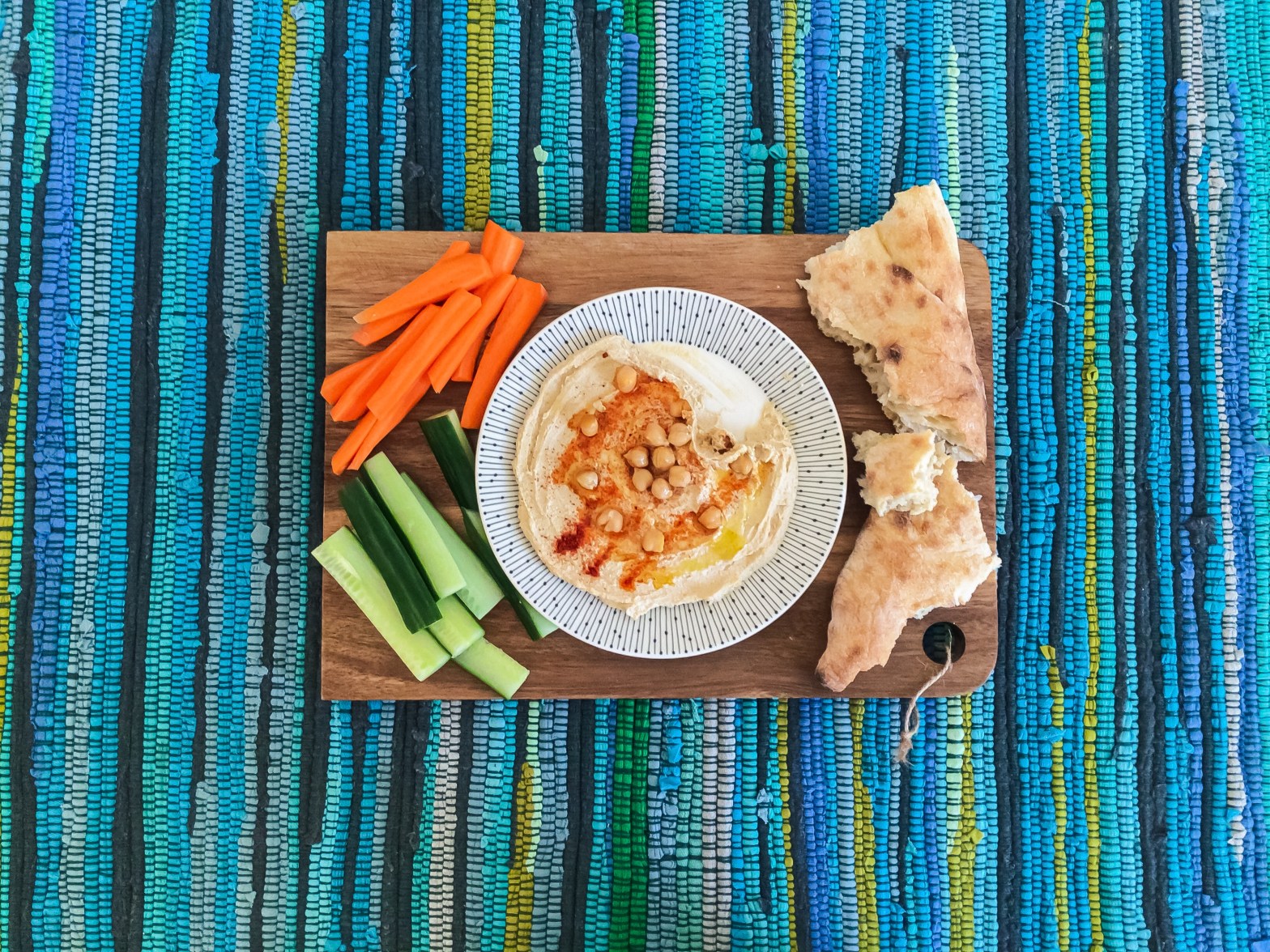
One of the many, many things I miss from Cyprus, is their hummus. It’s something incredible, let me tell you. And as much as I love Estonia, they still have a lot to learn when it comes to the art of Hummus.
One summer, I took a dear friend of mine to my beautiful home in Paphos, and one of the first things she tried was hummus. In her words she said that I “ruined hummus for her”, because she knows she won’t be able to find hummus as good as Greek hummus anywhere else. Sorry Laura, haha. After this beautiful introduction we proceeded to have hummus and pita (Cypriot pita is also out of this world) for breakfast, lunch and dinner.
But the day came when summer ended and we needed to leave my beautiful island and all its delicacies. But how could I live a hummus-less life? That’s when my flatmate came to the rescue!
My flatmate is from Israel, which happens shares a lot of similarities to Cyprus in cuisine. And though the kitchen isn’t exactly her favorite room in the house (though she loves food) she actually has an awesome hummus recipe! Can I get a hallelujah!
So, if you’re craving some Mediterranean flavors. You are in the right spot! This recipe has been a taste of home and has held me over until the holidays when I can go home and grab a giant tub of my favorite hummus from AlphaMega or Philipous.
Ugh, ok I’m getting hungry, let’s make some hummus!!
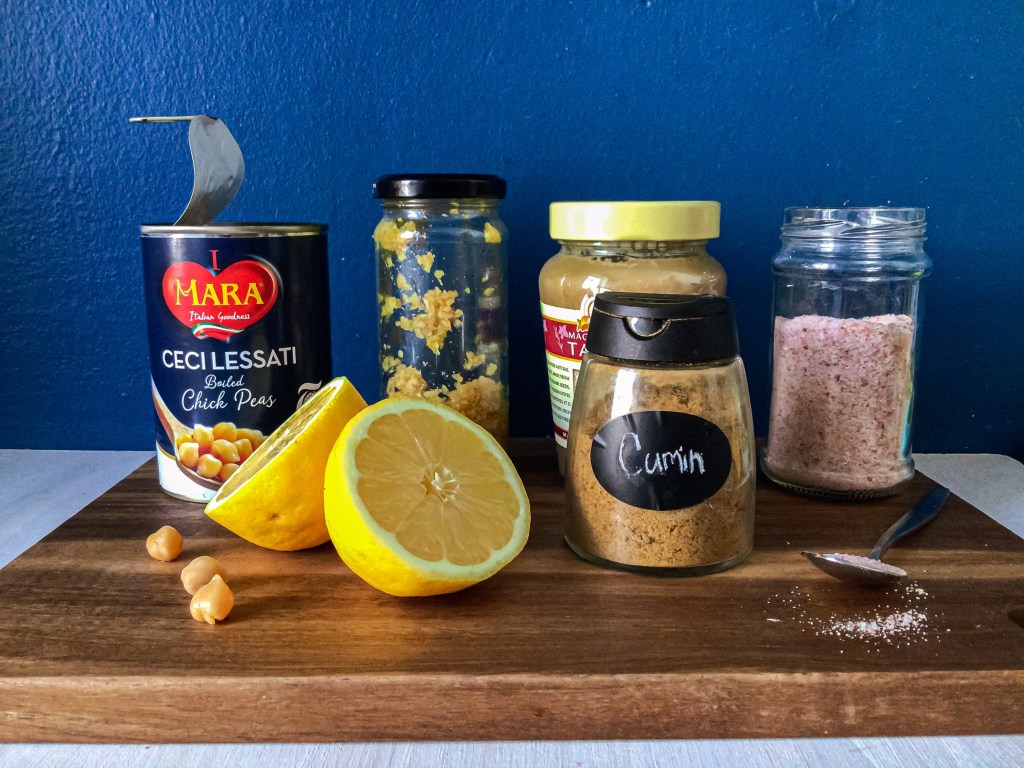
- 1 can chickpeas peas (400g)
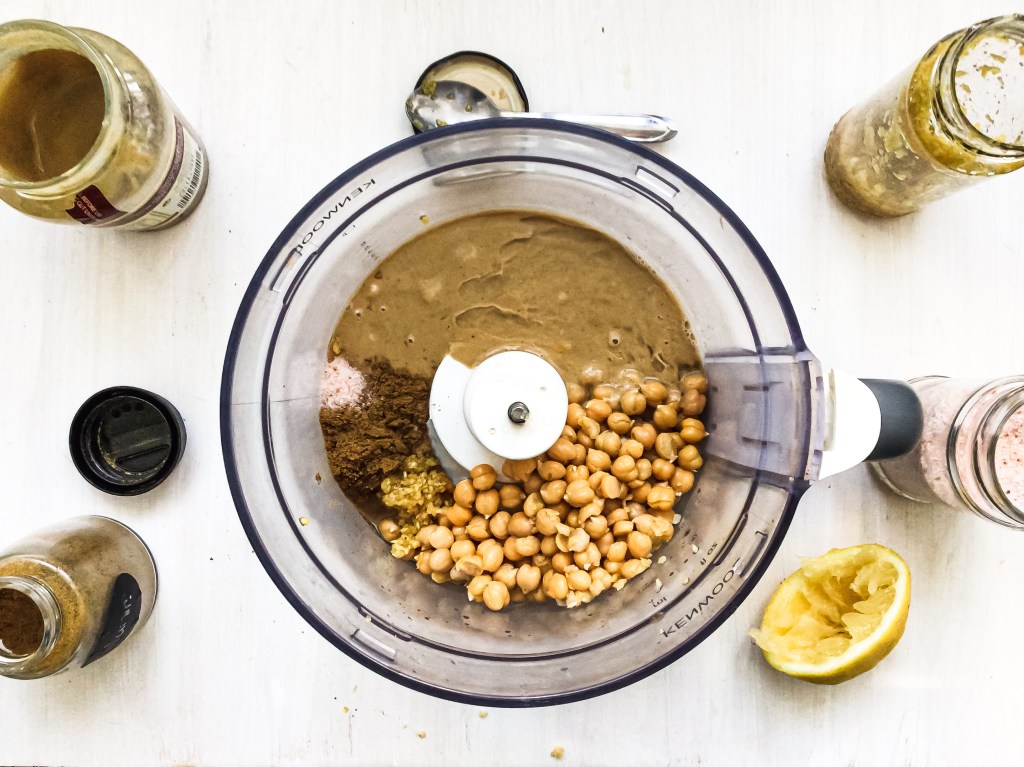
- 1/2 a jar of Tahini (150g)
- Juice of 1 lemon
- 1-2 teaspoon cumin
- 1 teaspoon minced garlic
- 1/2 teaspoon salt
- 1/4 c water (60ml)
Mediterranean Hummus

Ingredients:
1 can chickpeas peas (400g)
1/2 a jar of Tahini (150g)
Juice of 1 lemon
1-2 teaspoon cumin
1 teaspoon minced garlic
1/2 teaspoon salt
1/4 c water (60ml)

Instructions:
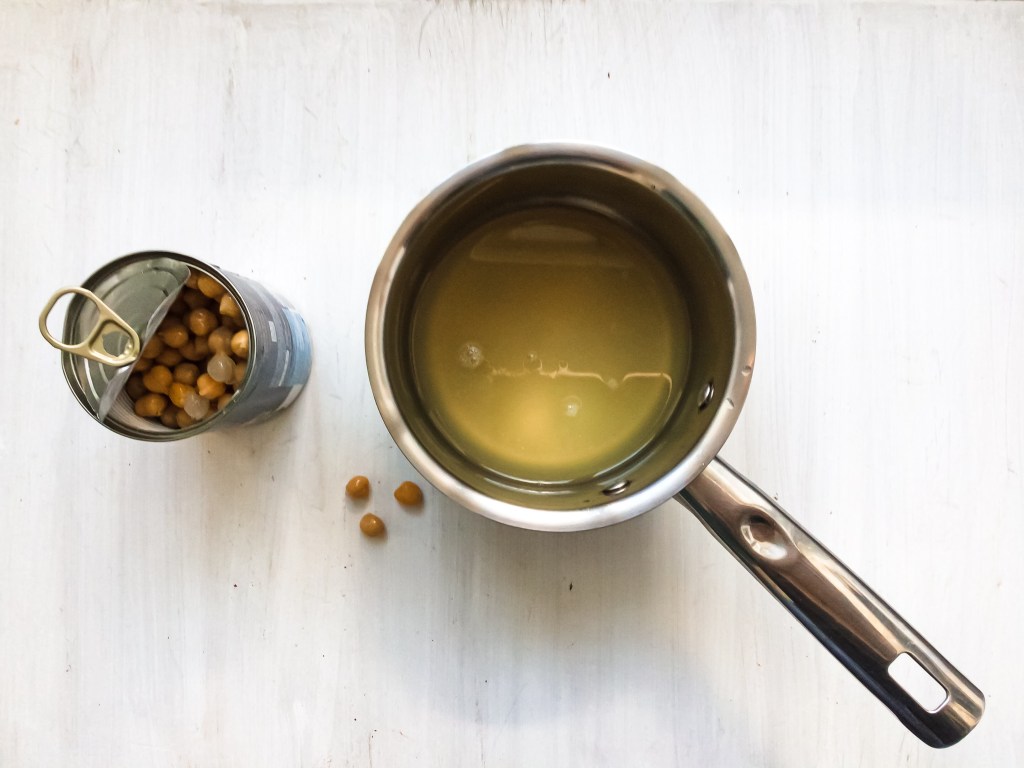
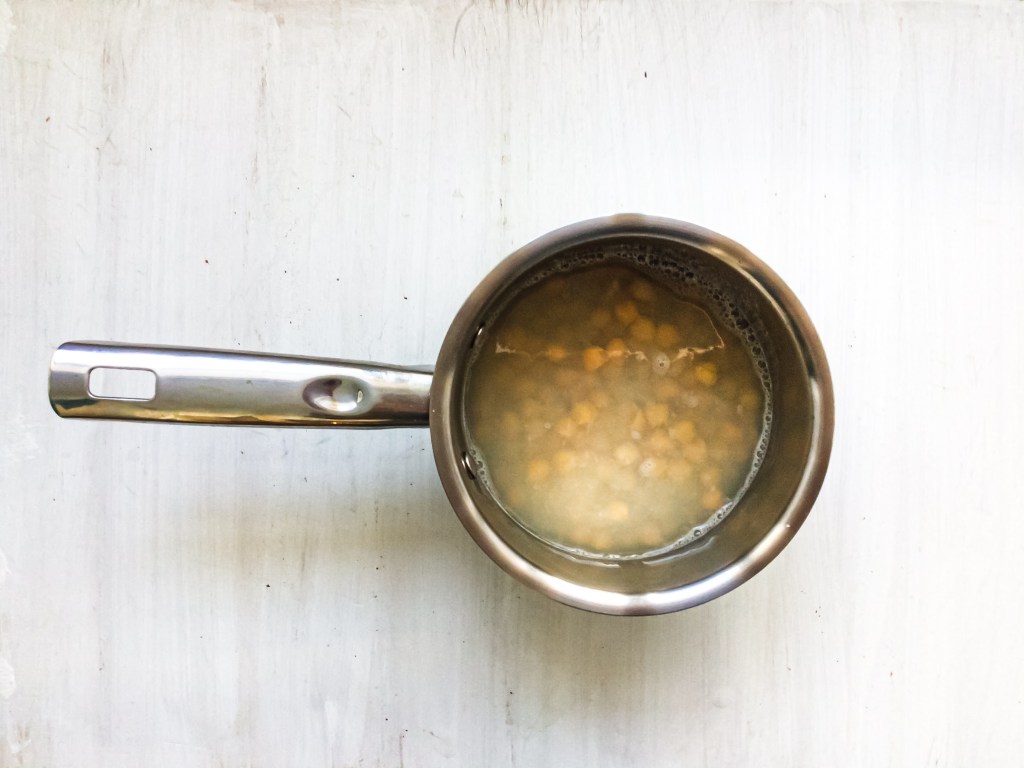
1.First drain the aquafaba(the chickpea juice) into a small saucepan. Set aside.
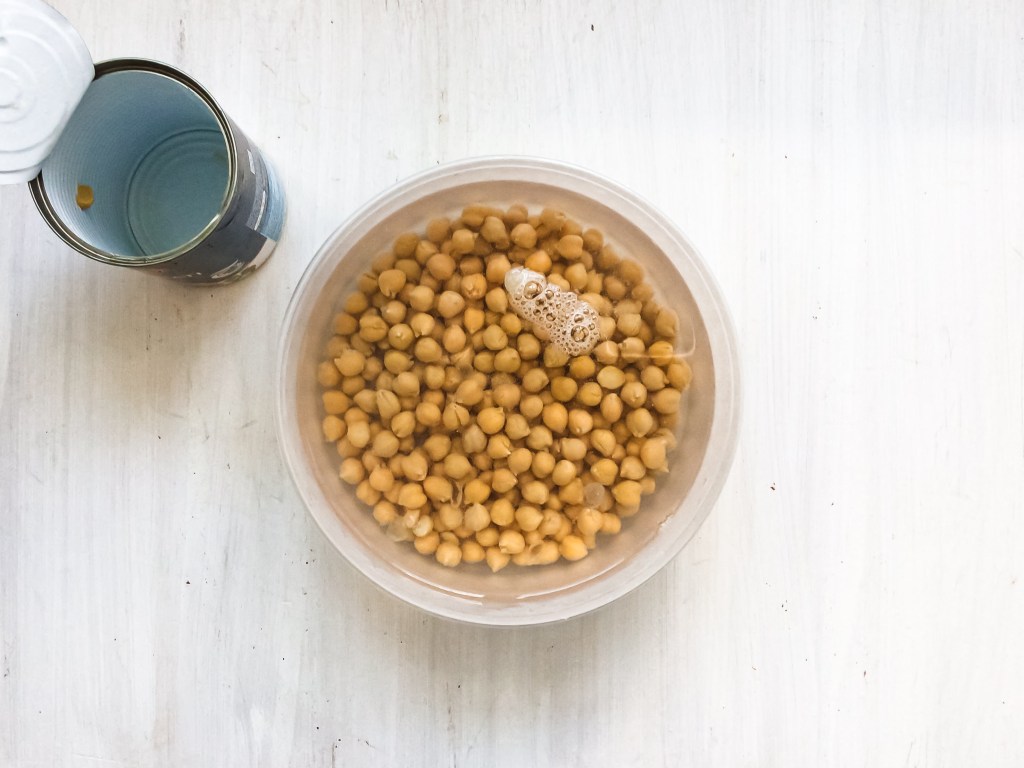
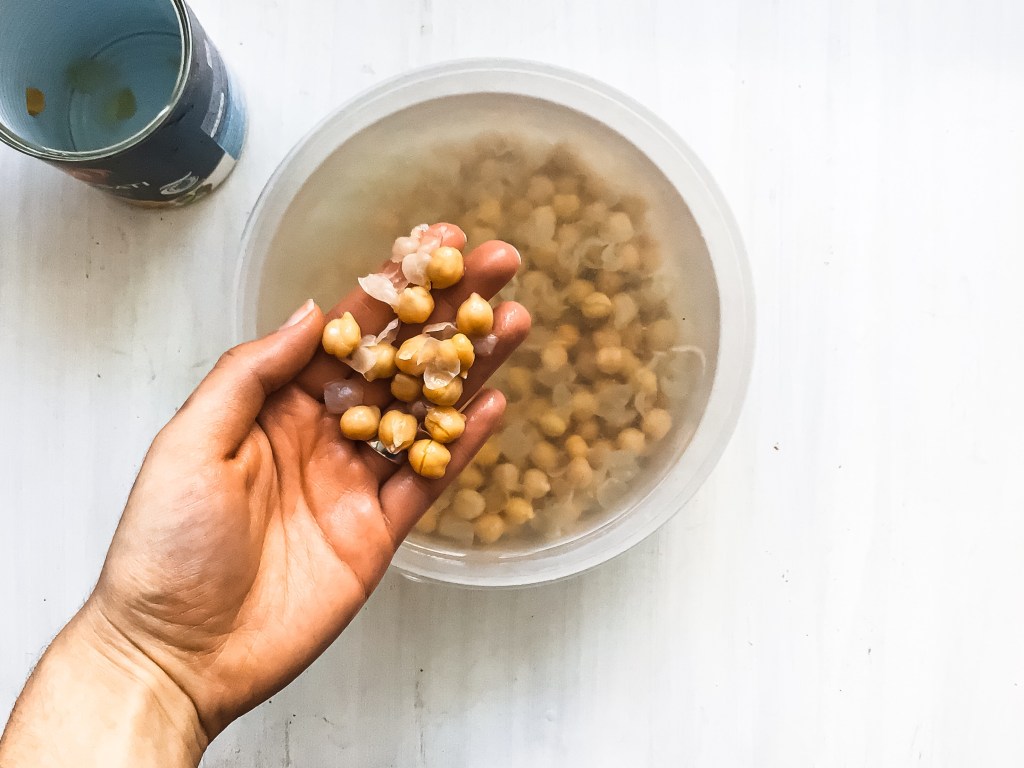
2.Pour the chickpeas into a deep bowl or container with water.
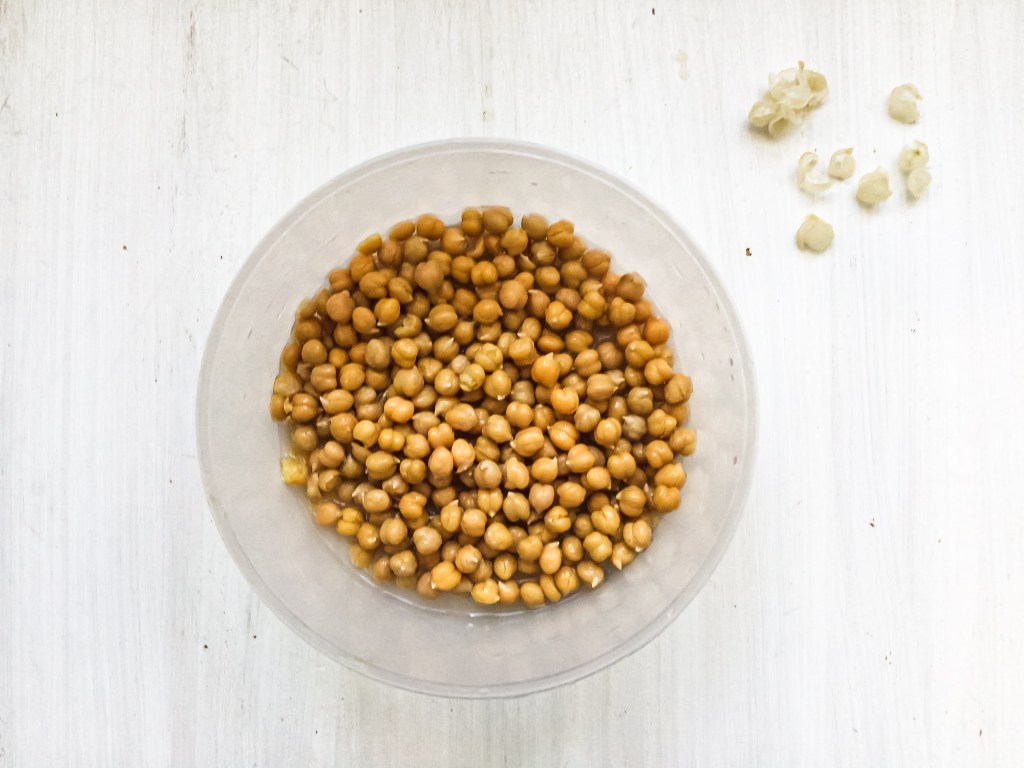
3.Rub the chickpeas roughly in between your hands in order to loosen the skins so that they fall off easily. (But not so roughly that you crush the chickpeas.) Then tip the bowl discarding the water and the skins. (The skins should float to the top making them easy to discard.) Refill the bowl with water and repeat until most of the chickpeas no longer have any skins on them.
4.Now add your chickpeas to the saucepan with aquafaba and bring to a boil. Then lower to medium heat and cook for an hour. Check every 20 minutes or so to see if they need any extra water; the chickpeas should always be covered with liquid.
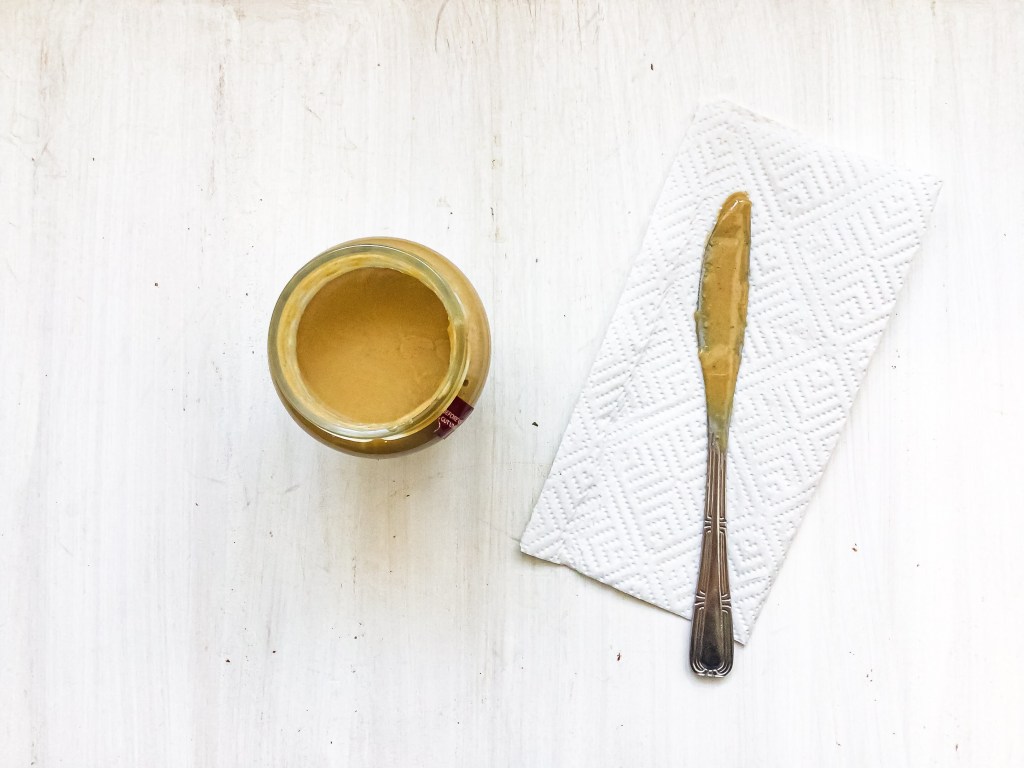
5.While waiting you can stir the tahini. If tahini sits for awhile the oil and the paste will separate. So give it a good stir with a butter knife before use. Tip: if one day you see that the tahini is beginning to separate, simply flip the jar upside down and it will naturally mix itself. Then it will be ready to use whenever you need it.
6.Now that the chickpeas are done boiling, strain them and run them under cold water in order to cool them down. (We don't want hot hummus.) Repeat the process of rubbing them in your hands once or twice more to get rid of any leftover, stubborn little skins. Make sure to be gentle this time as the chickpeas will be quite soft now.
7.Now add everything to a food processor. Start with 1 teaspoon of cumin and a half a lemon, then add more according to your preferences. I normally use 2 teaspoon of cumin and 1 whole lemon though.
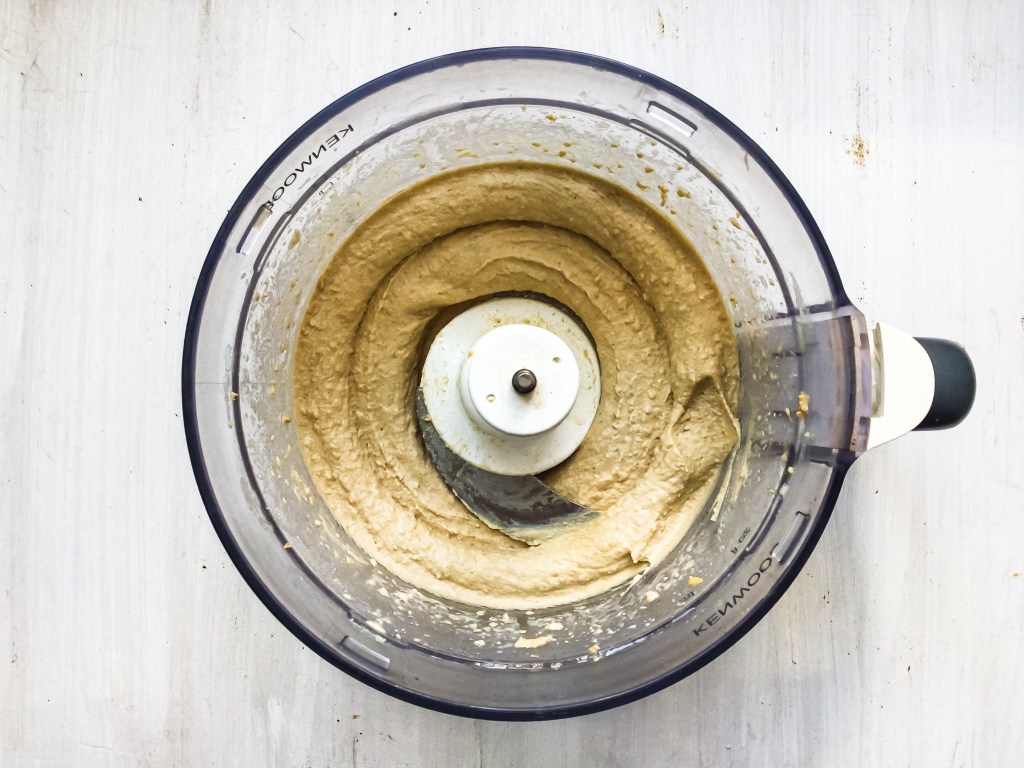
8.Blend! If it is still very thick, add water, lemon juice (or olive oil is an option too) 1 tablespoon at a time.
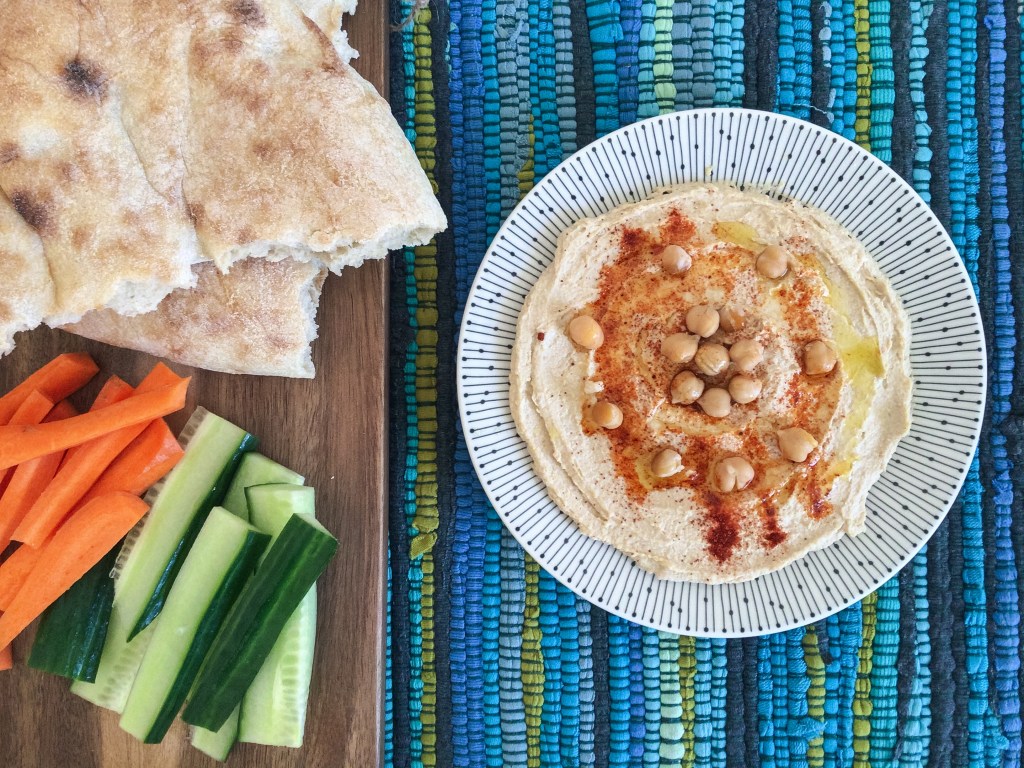
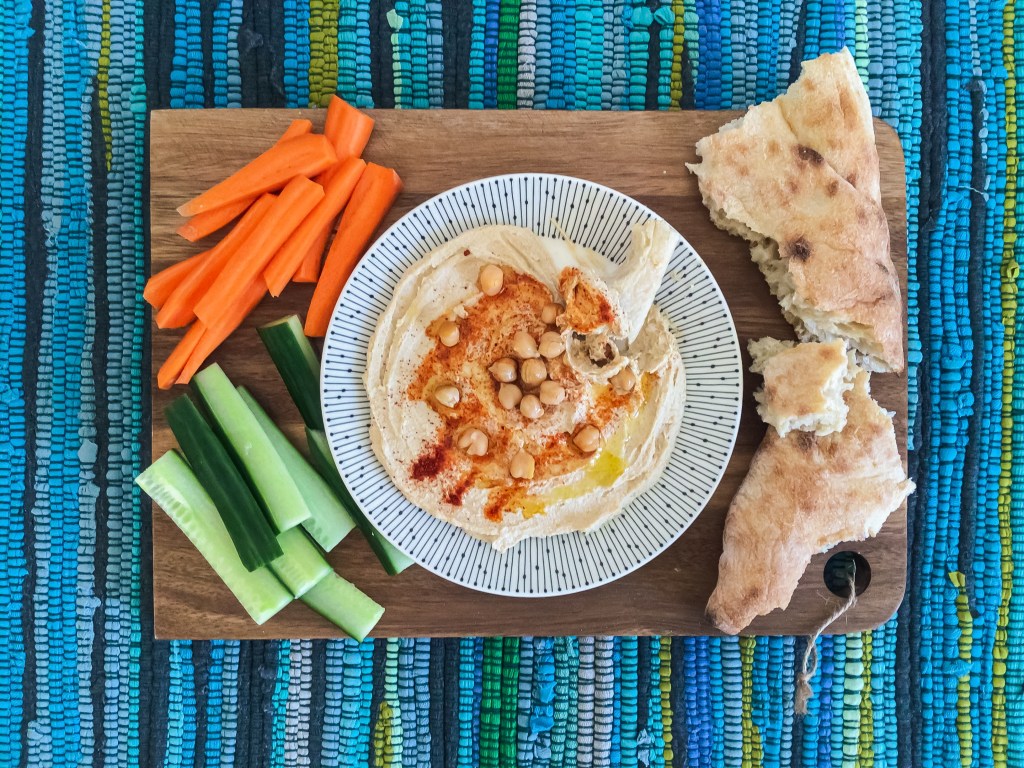
9.Serve with pita and veggie sticks, add on top of a salad or inside a sandwich.
 Soul Food